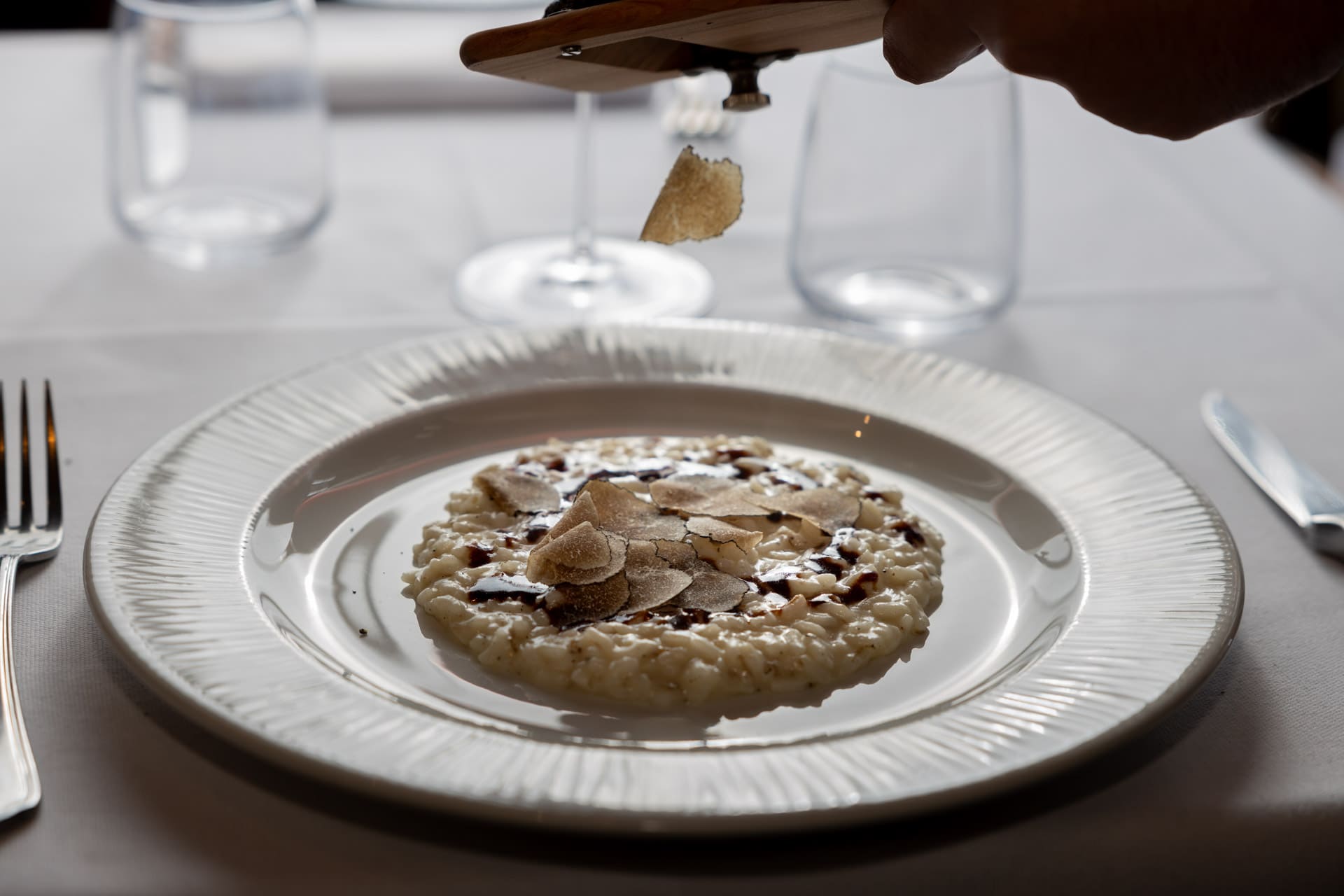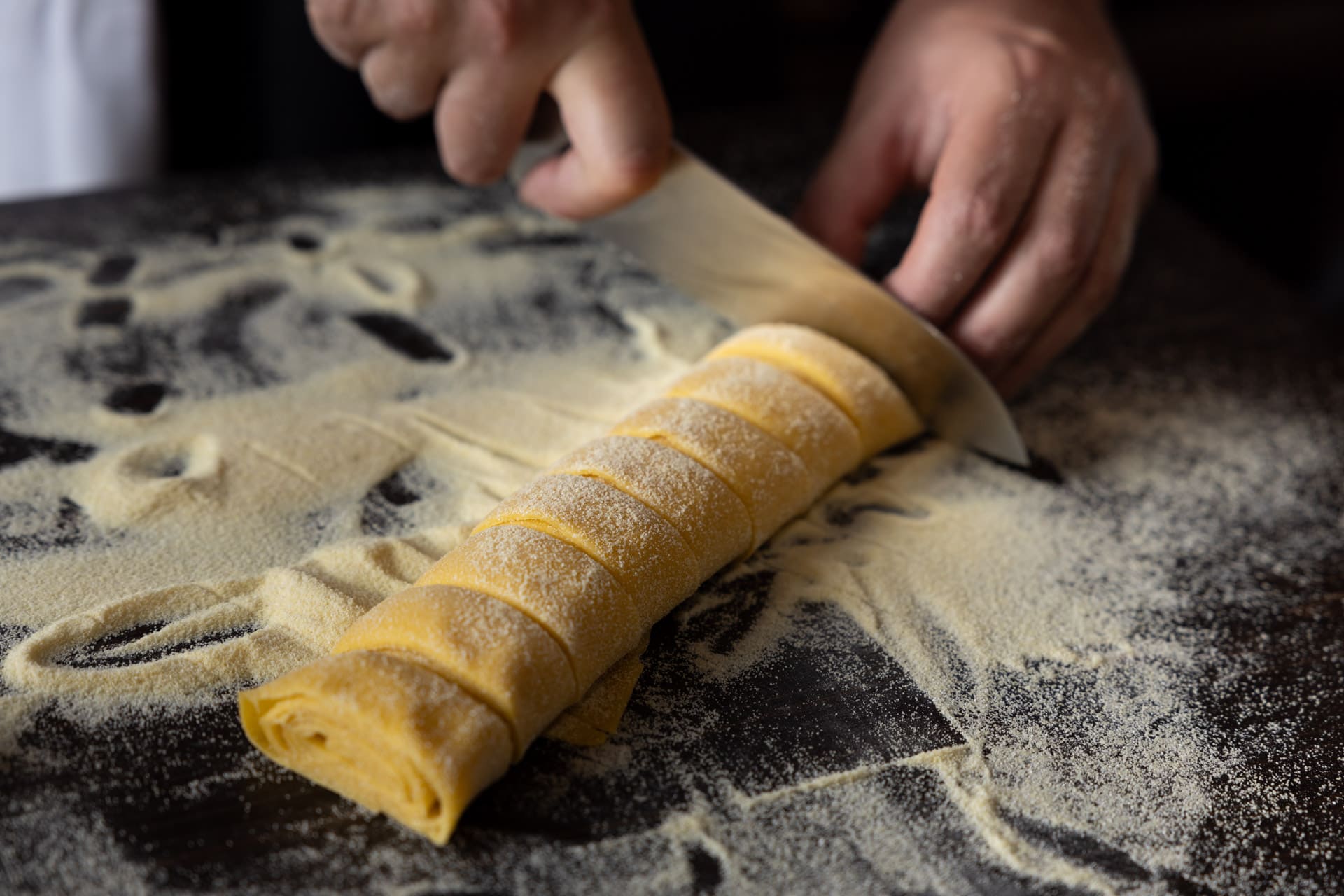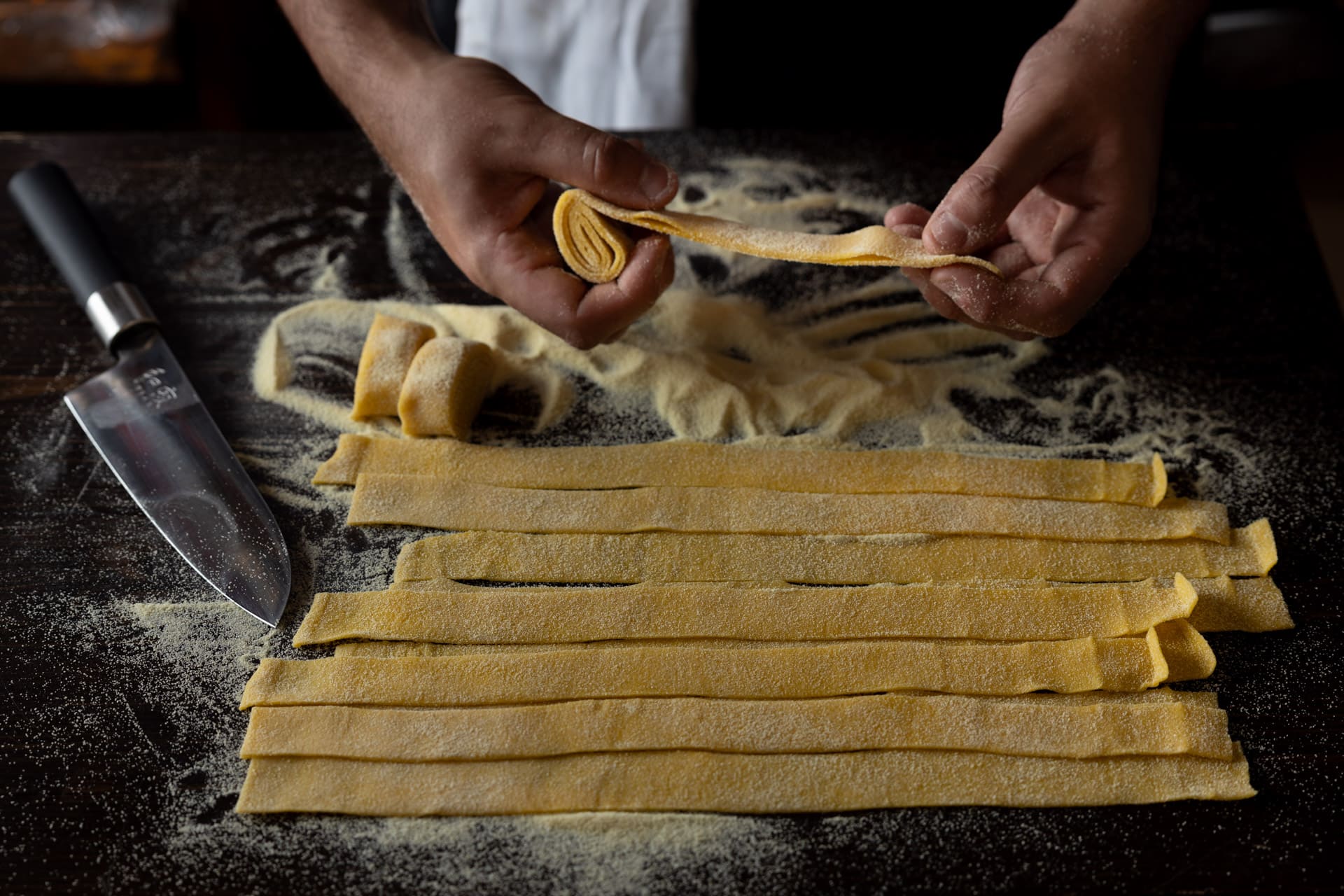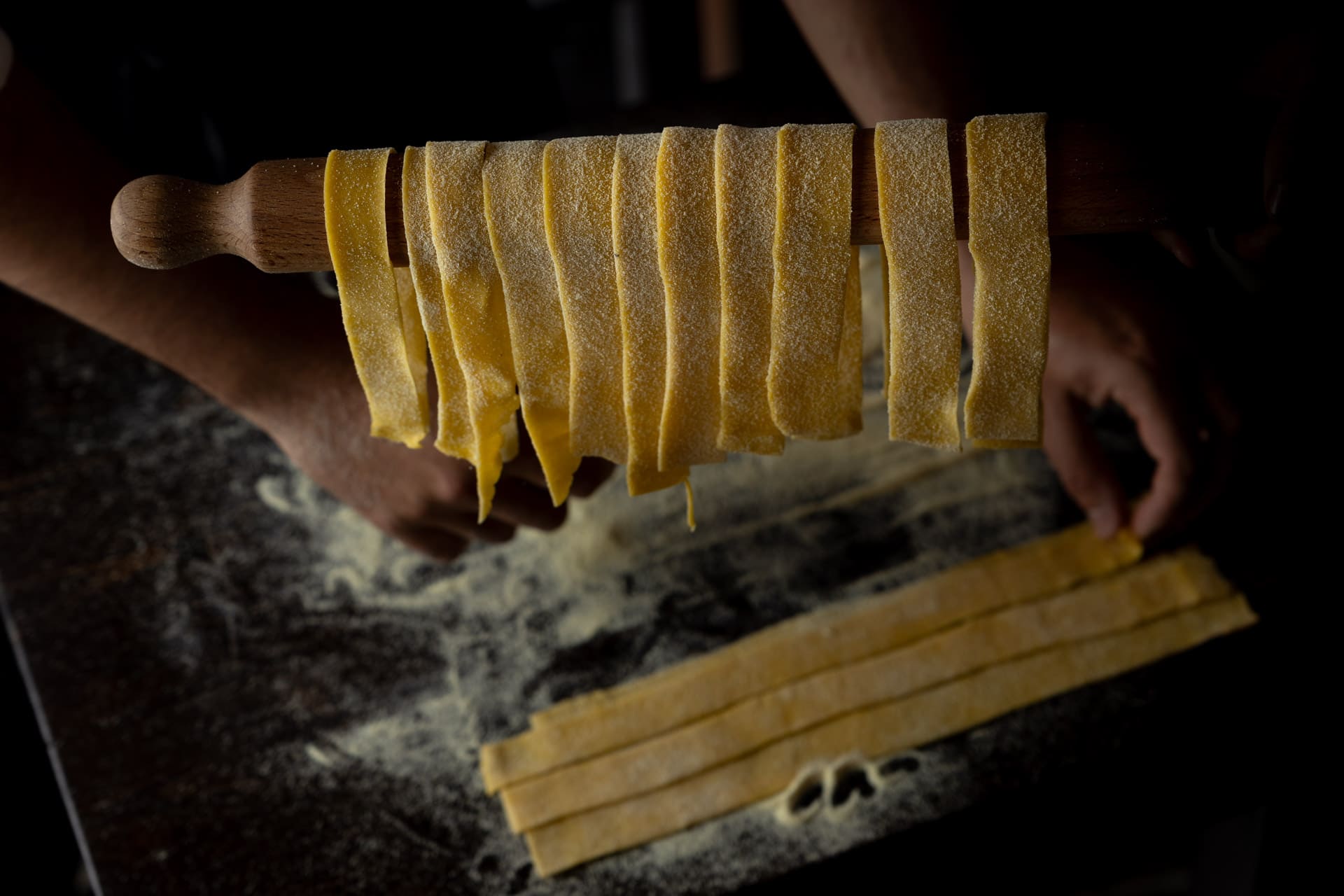
Seasonal Tuscan Porcini Mushrooms, the stars of our cuisine, bringing to the table all the authentic aroma and flavor of the forest.
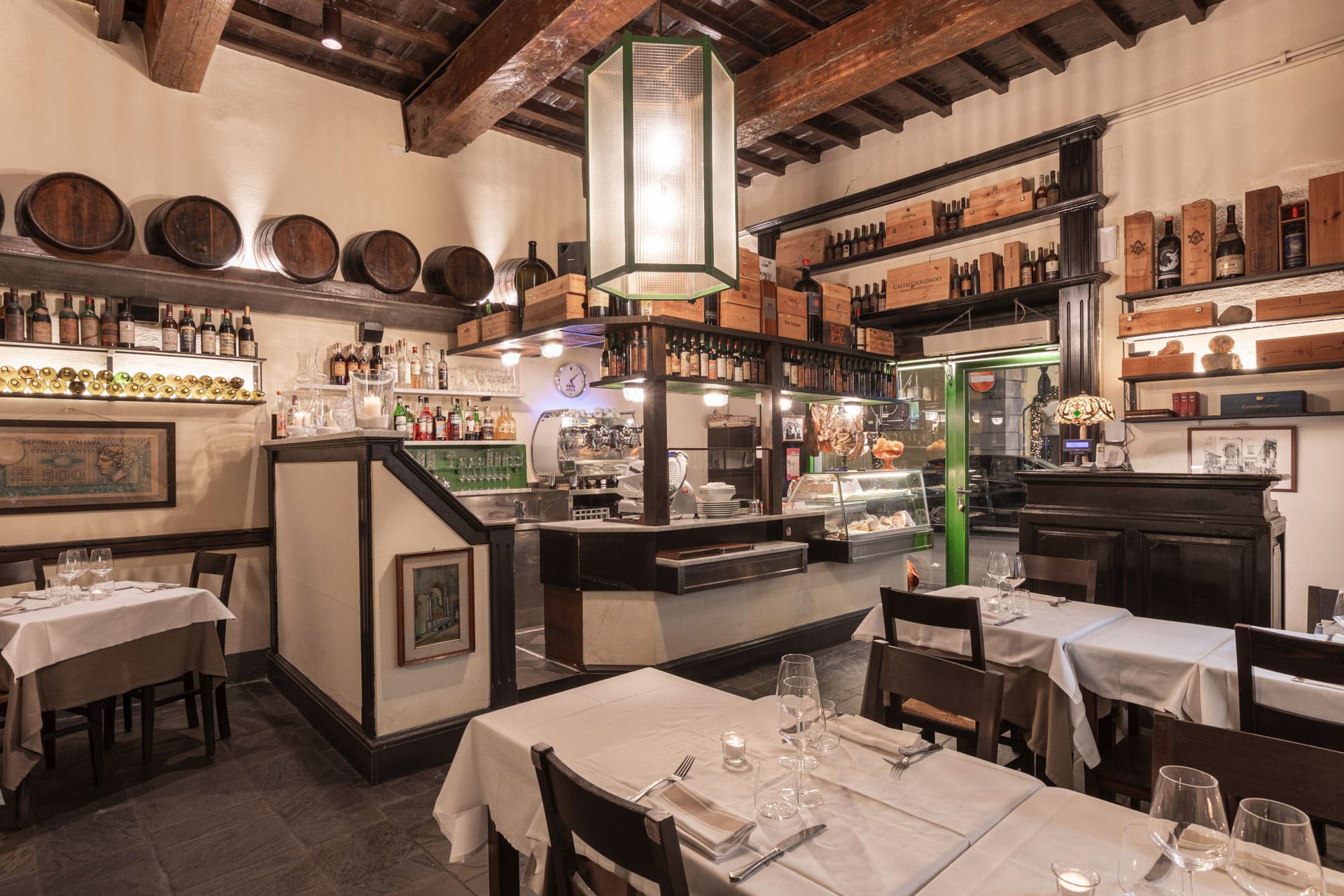
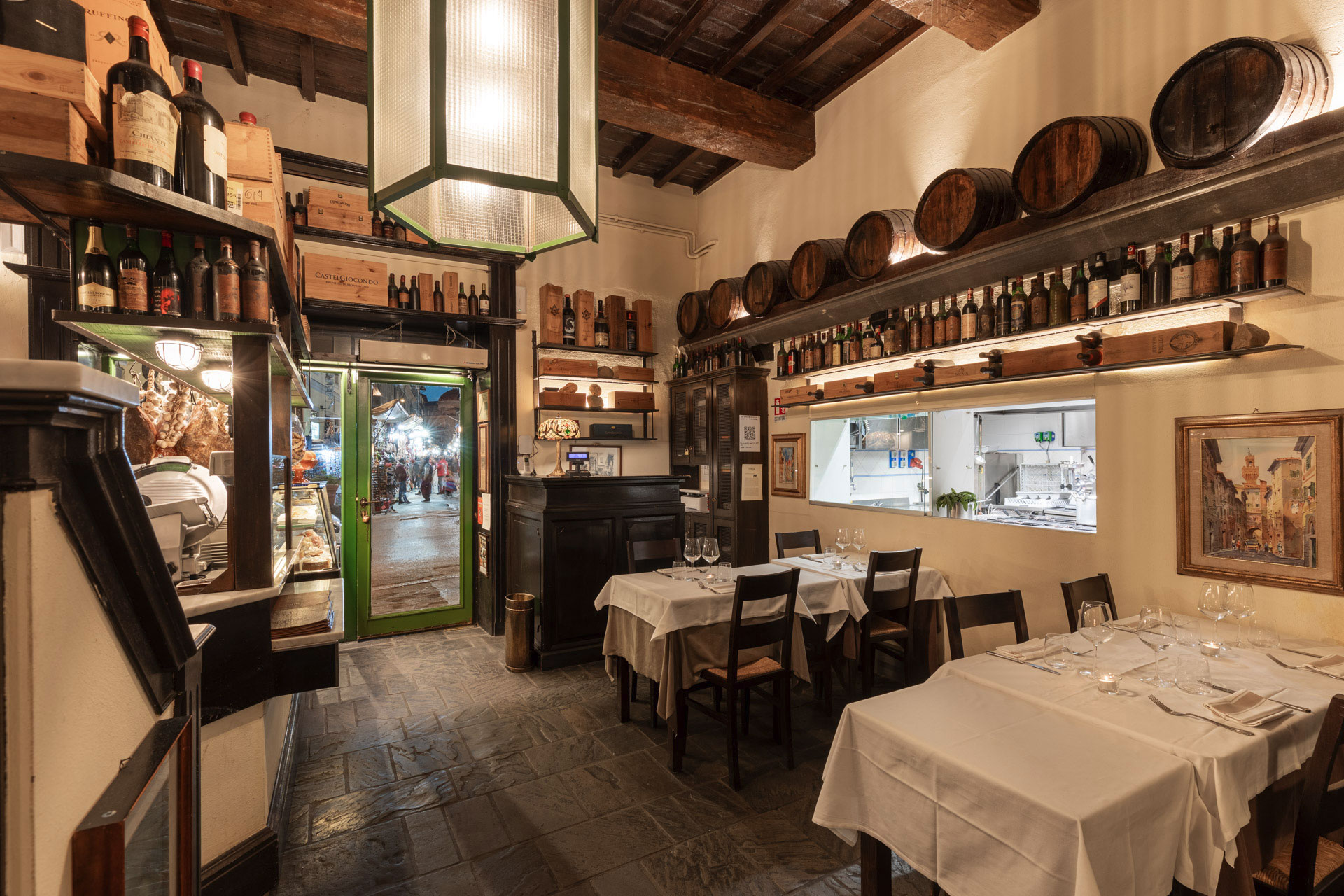
Fonticine restaurant has a long history and a strong connection with Florence since 1939. A history of tradition and quakity
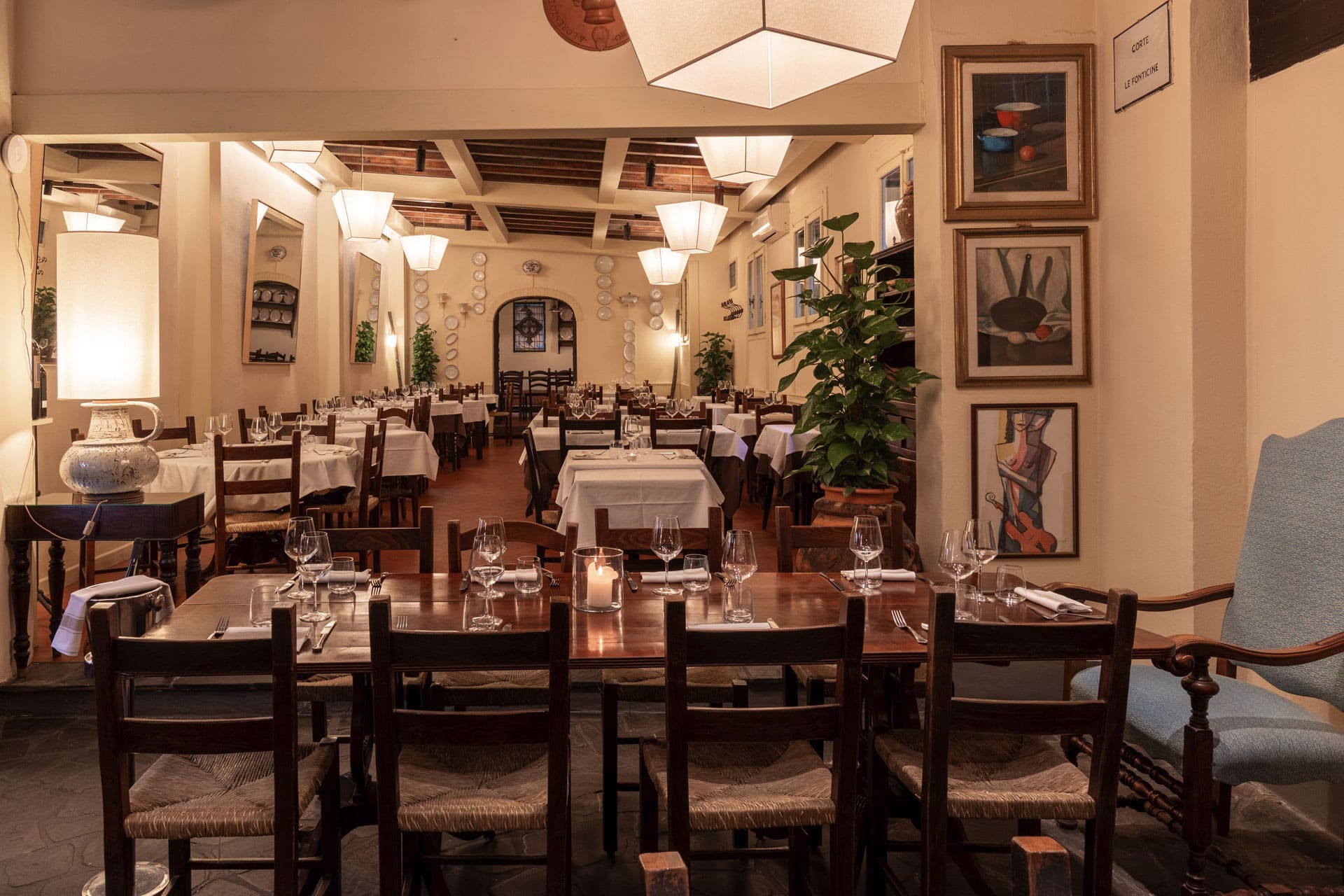
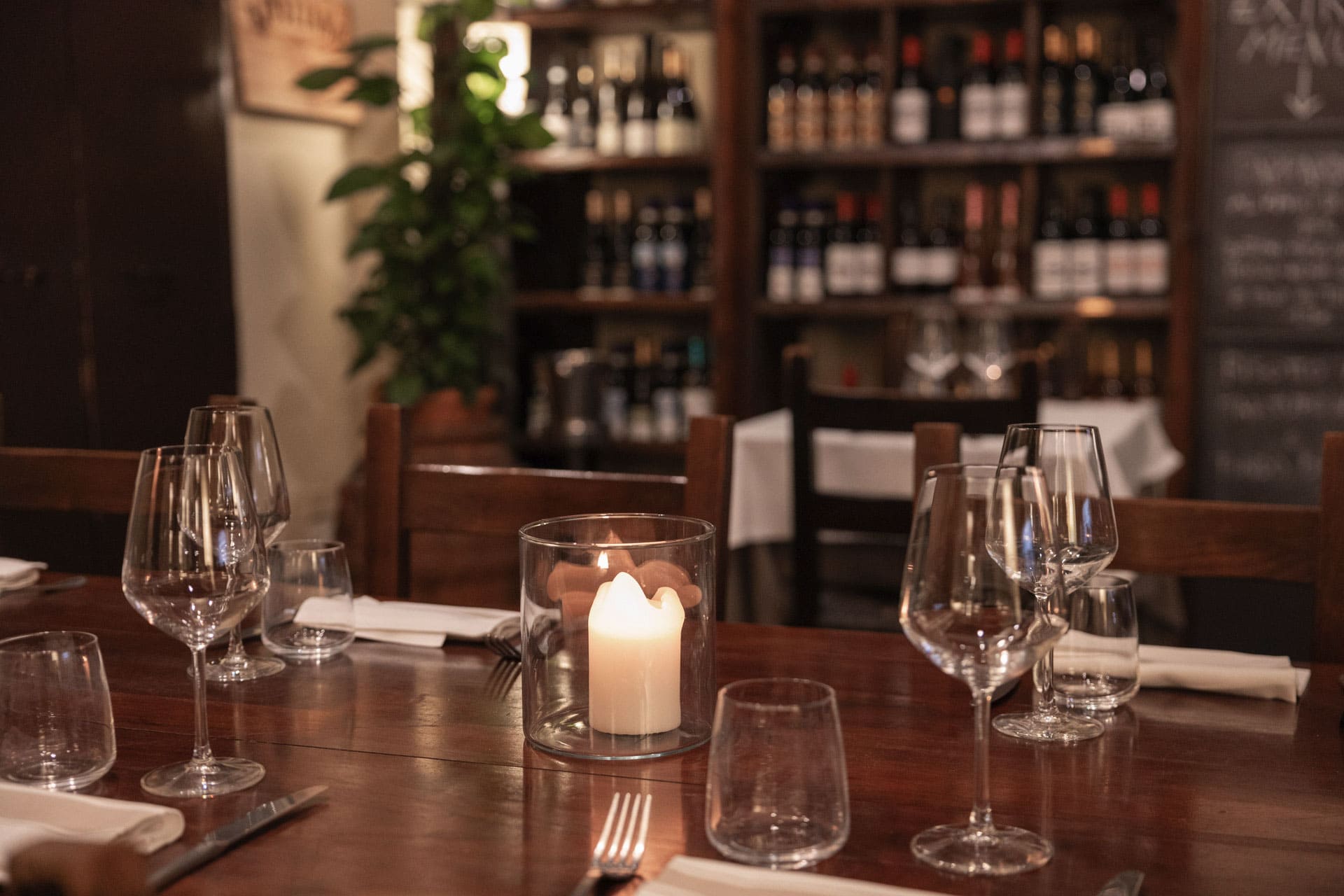
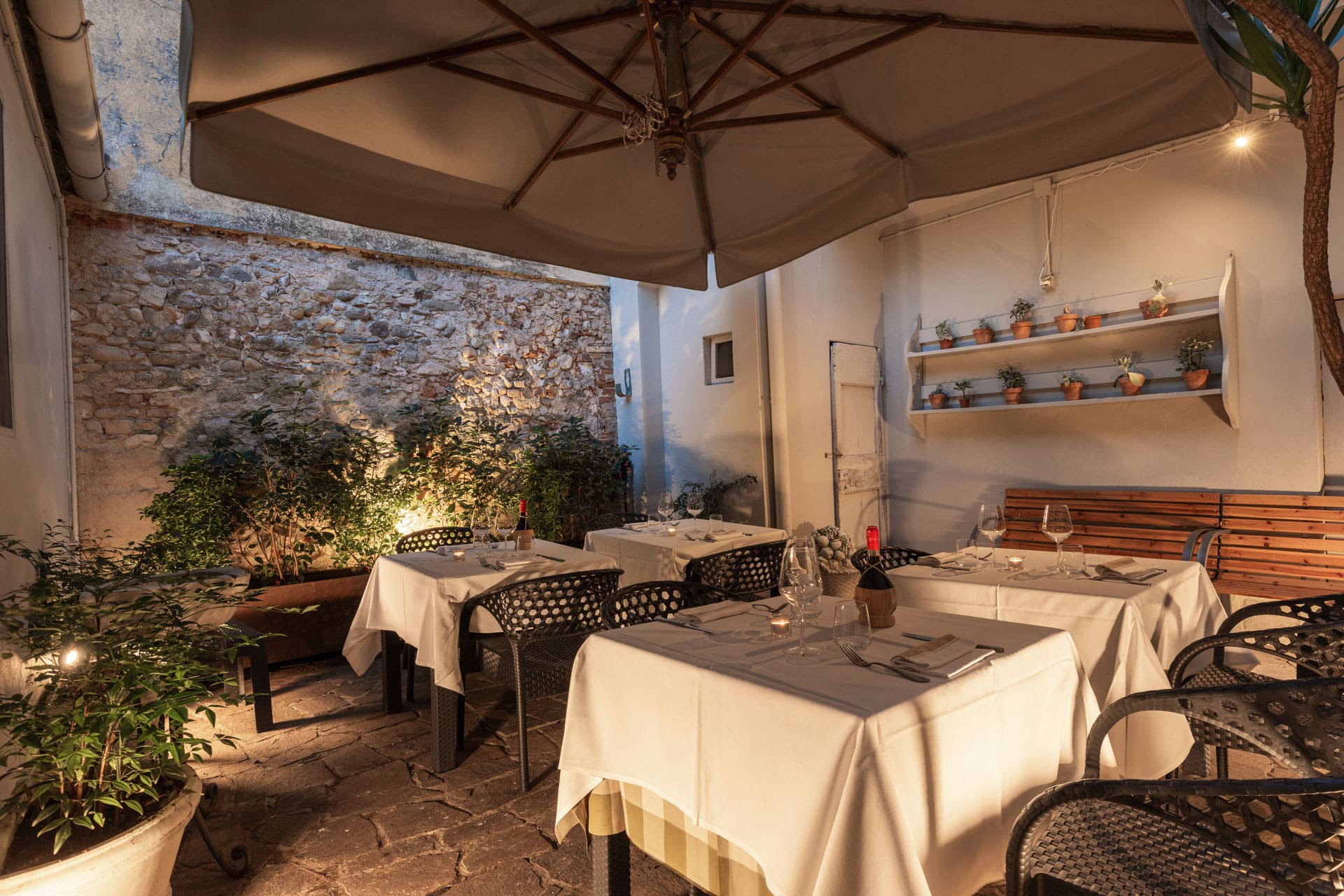
Every day, the pleasure of the table and the joy of conviviality
Every day, the pleasure of the table and the joy of conviviality
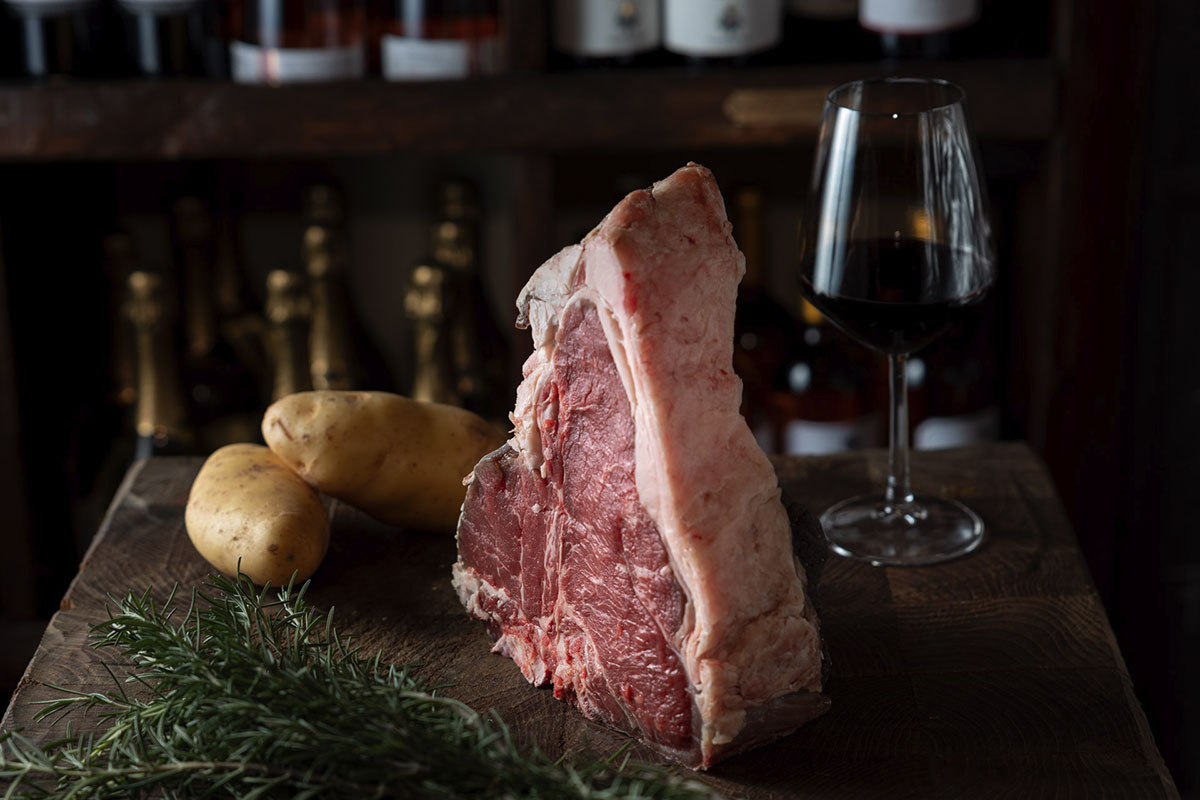
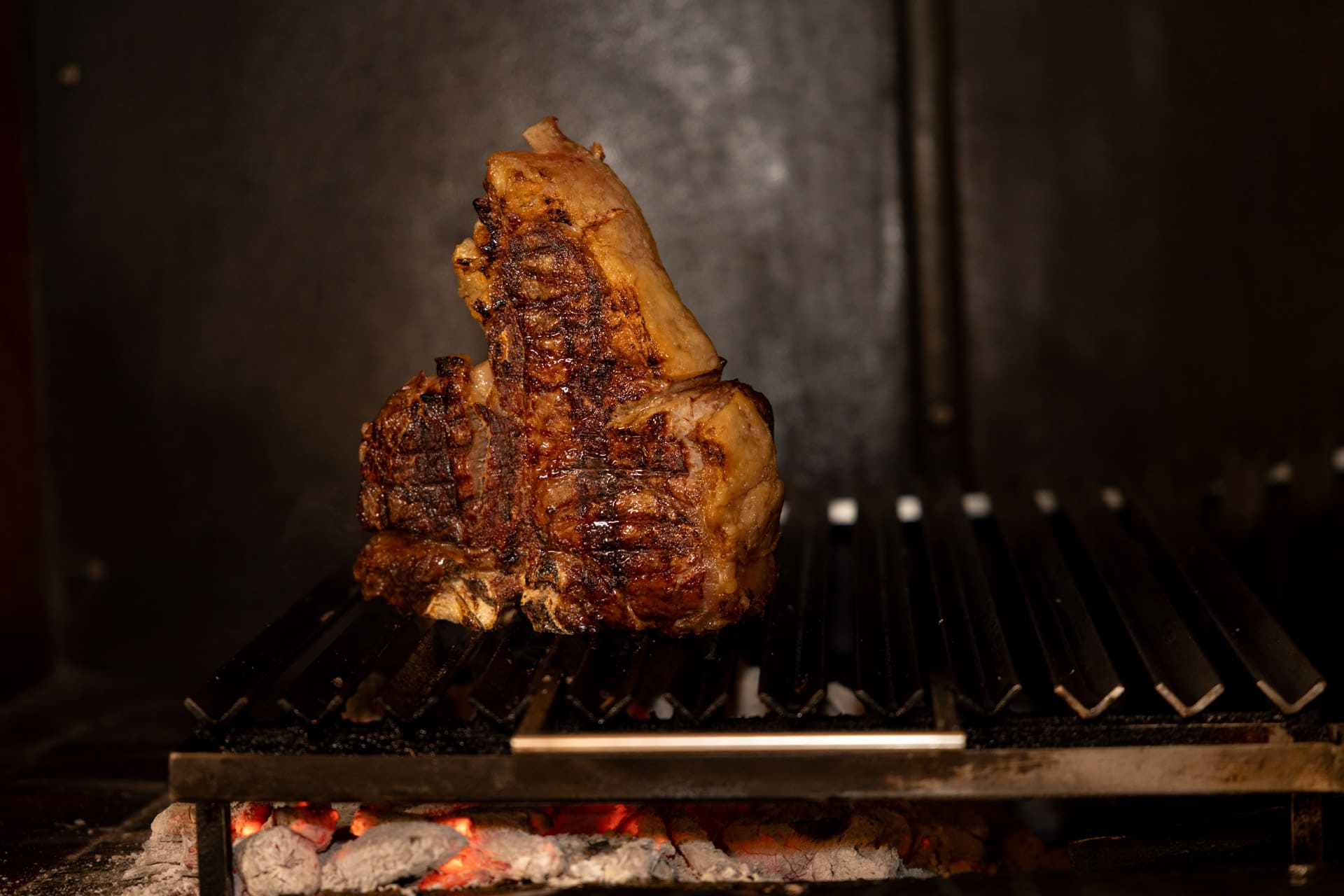
the florentine steak as always been one of the symbols of Florence ,here you can enjoy it cooked on the grill in the fireplace as per tradition.
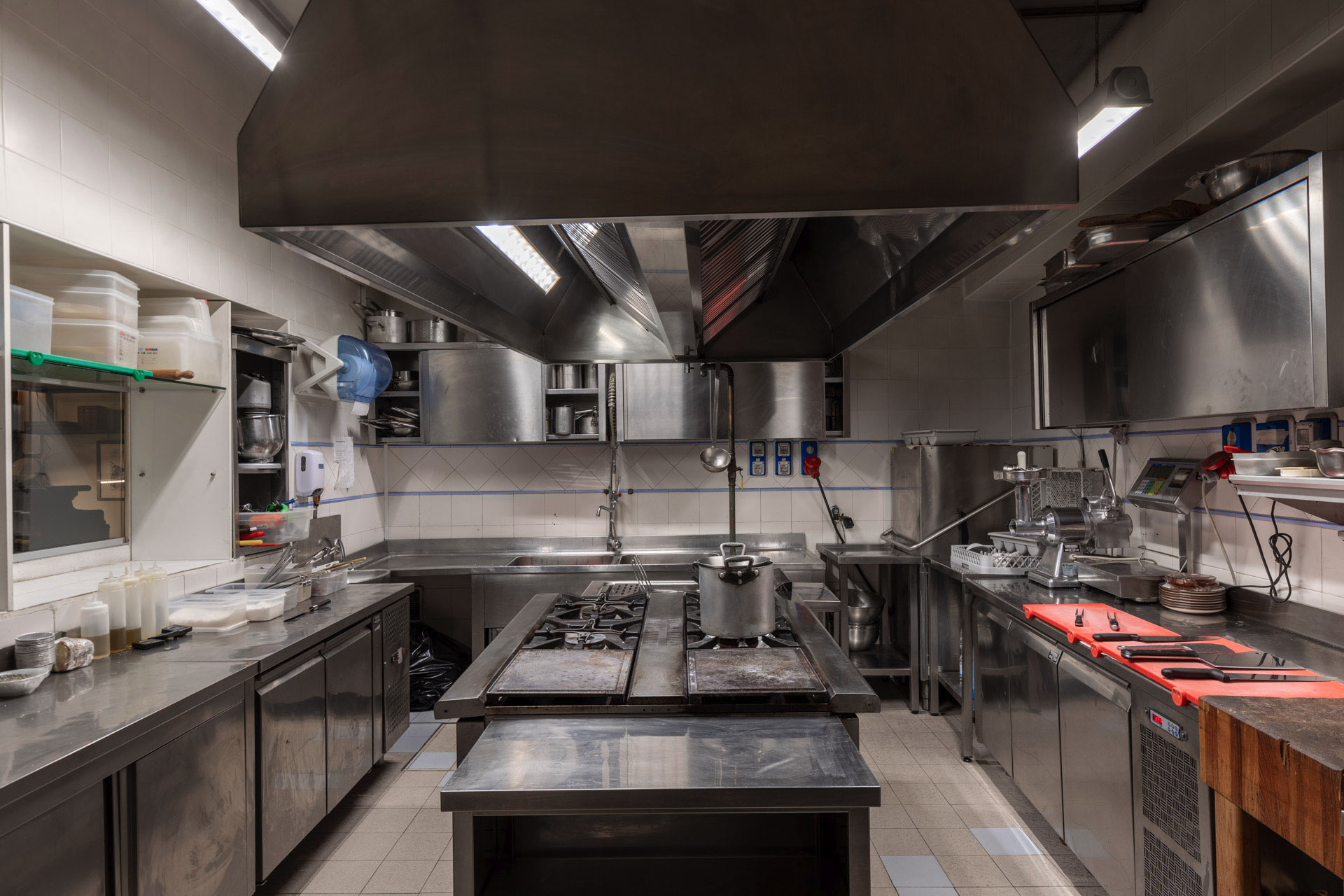
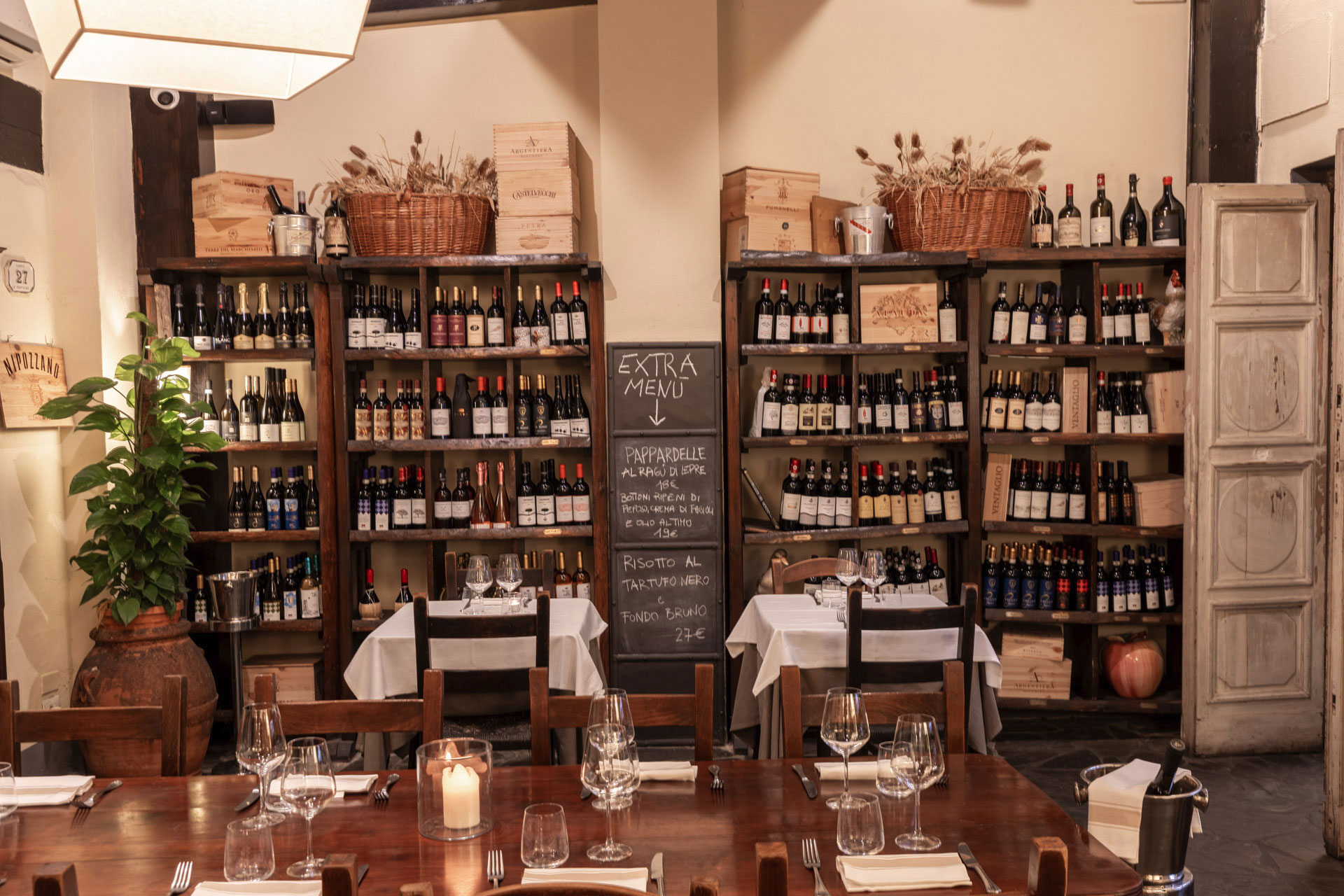
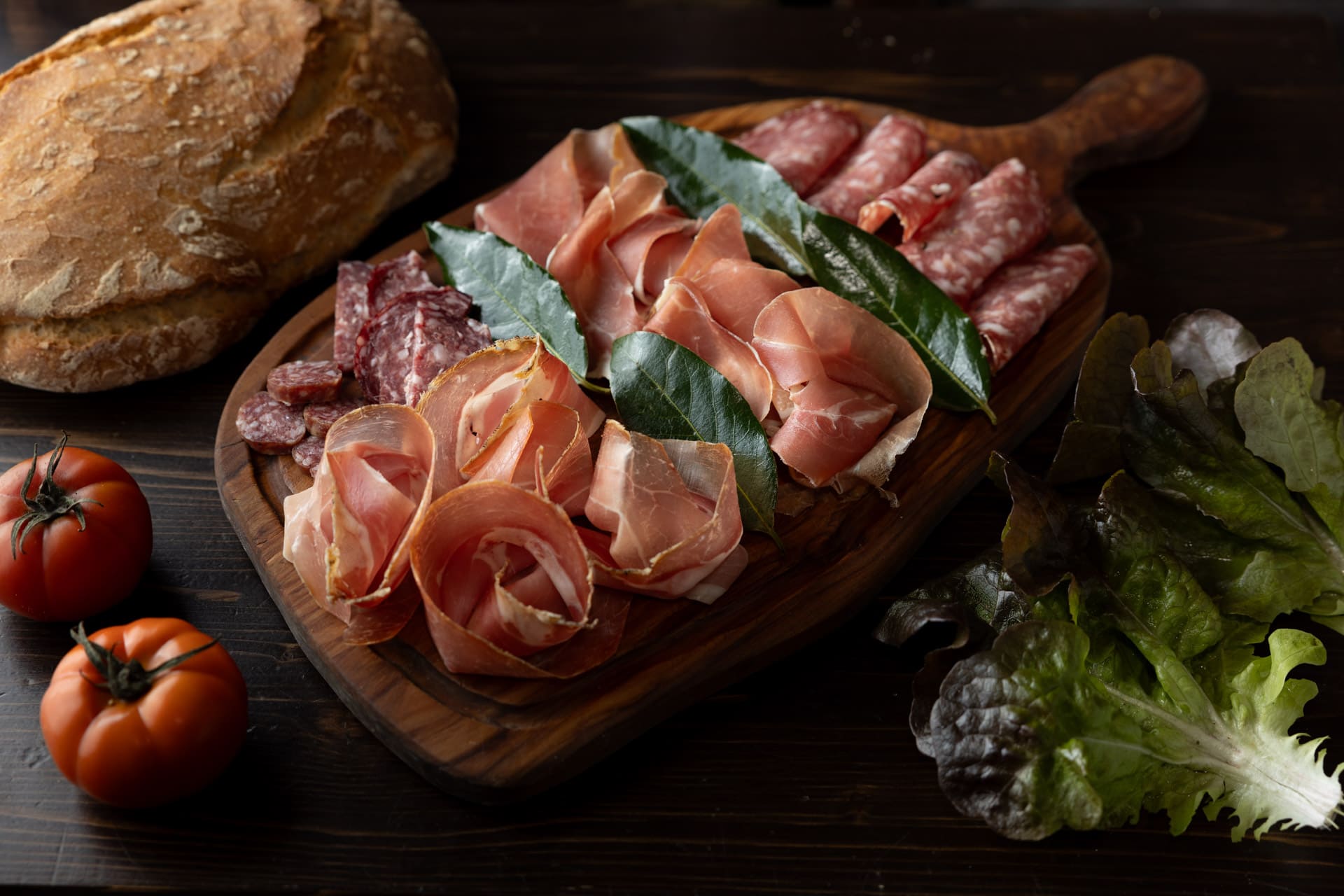
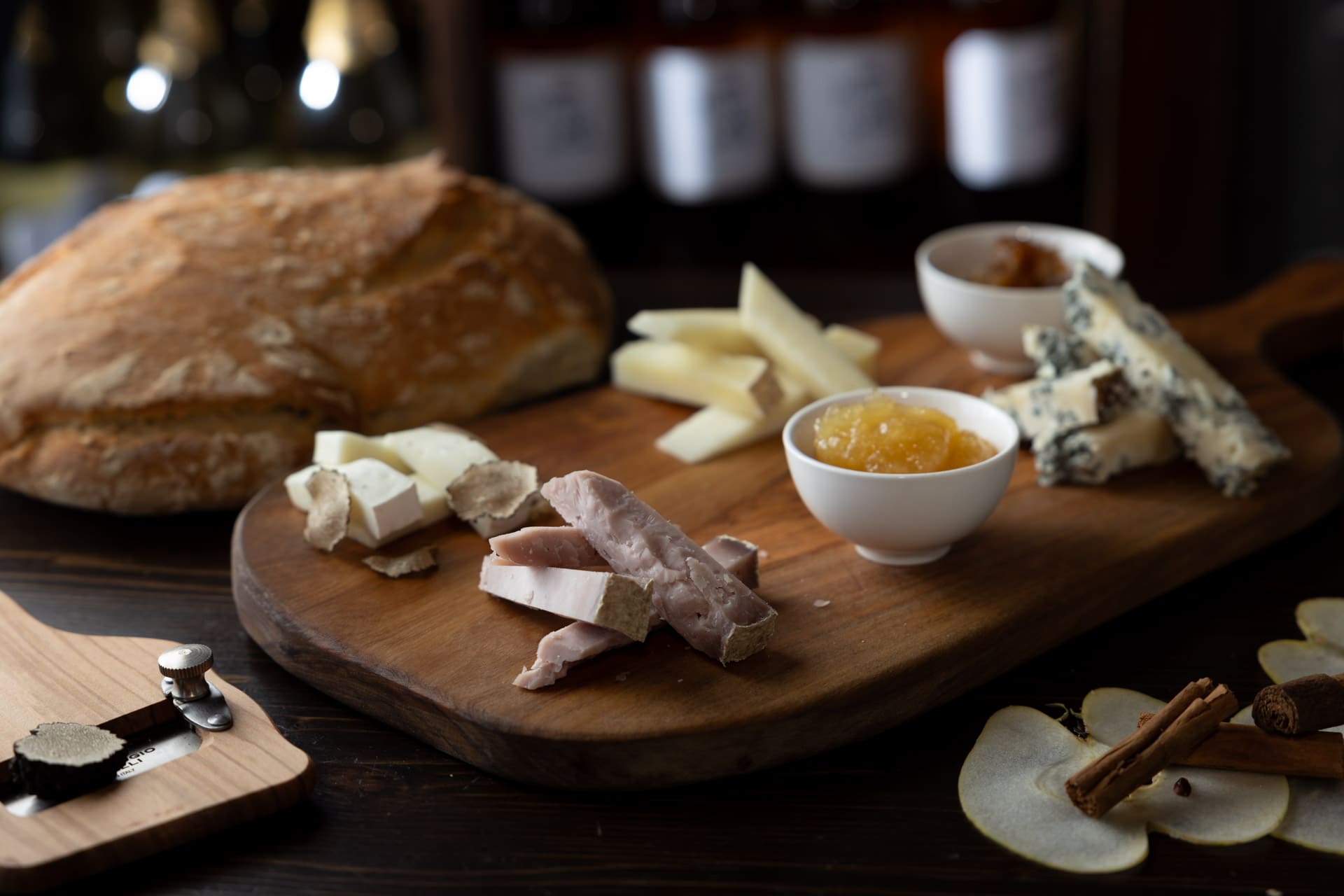
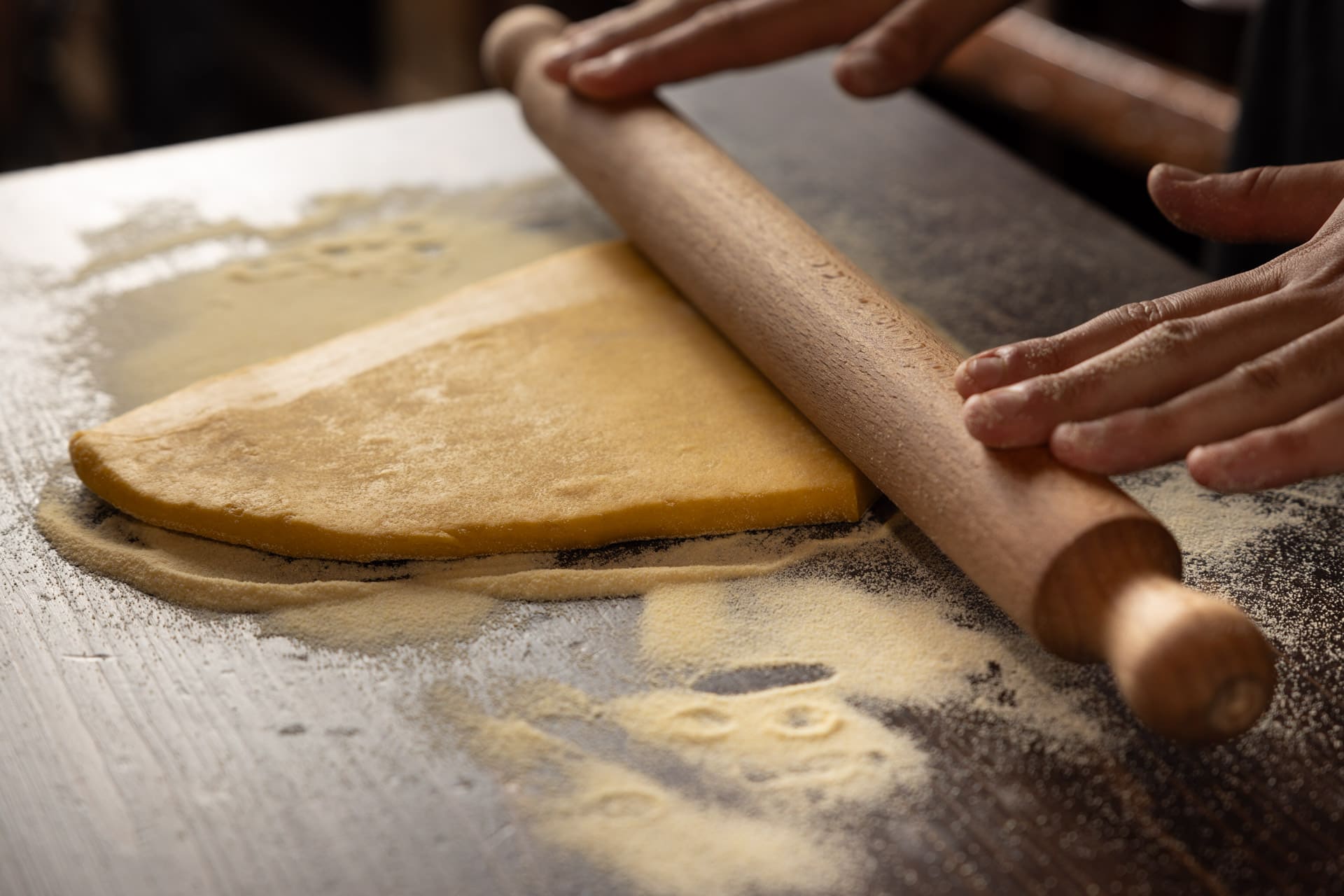
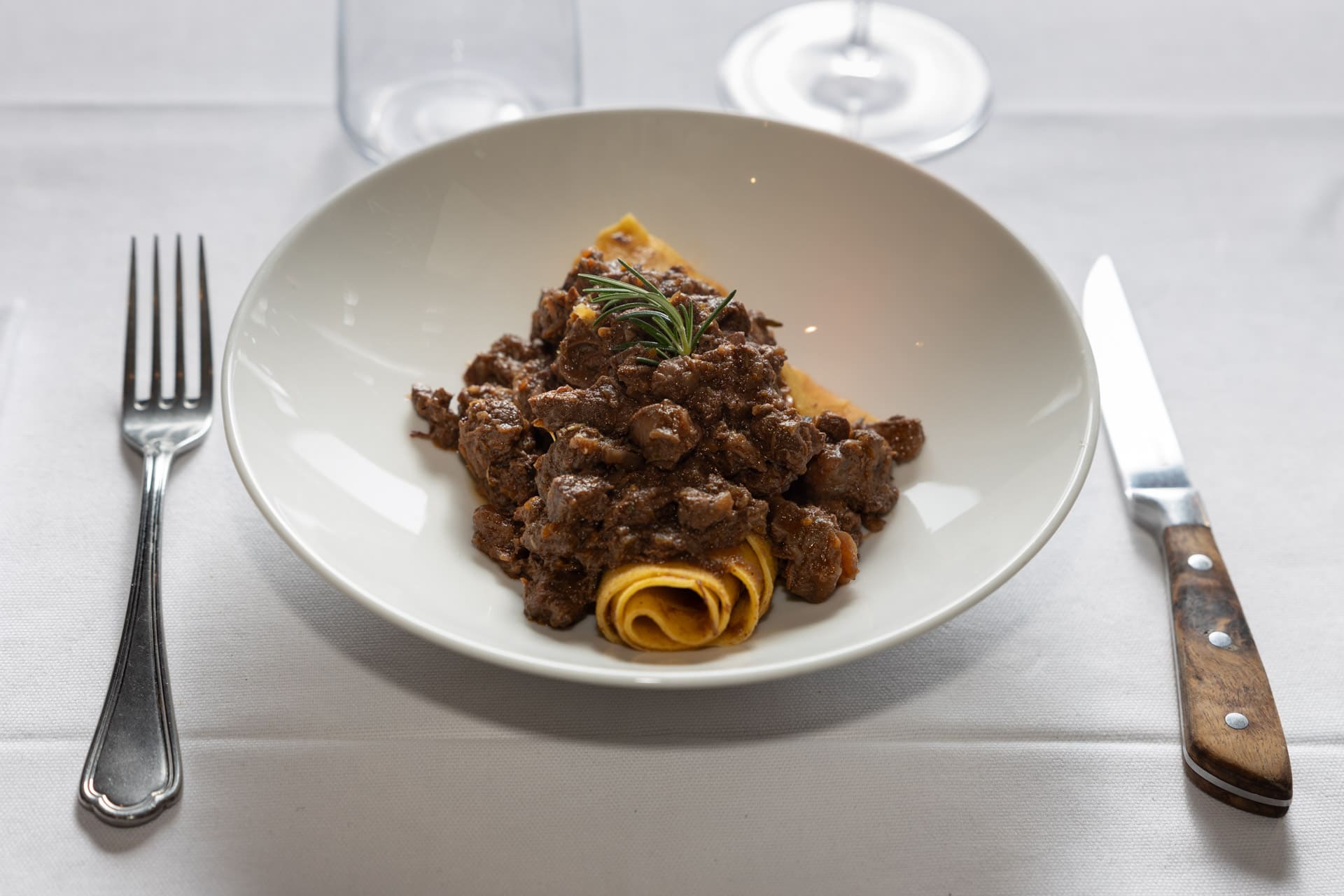
Our is a traditional tuscan cuisine of quality.Homemade pasta,cold cuts,cheese and florentine steak are some of our dishes. Be sure to try our selection of cured meats and cold cuts, artisanal cheeses, homemade pasta dishes, the iconic Florentine steak, and many other typical Tuscan dishes.
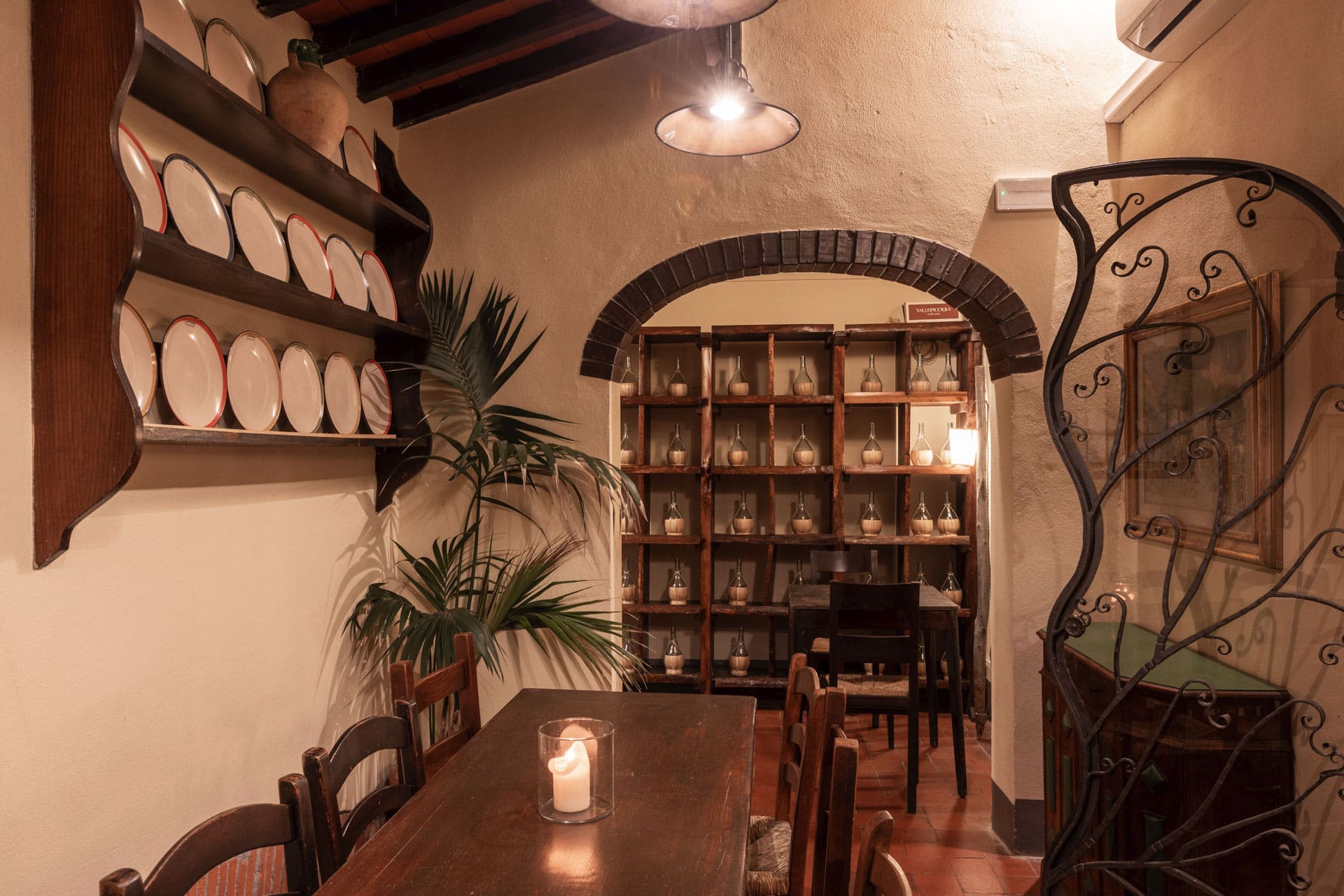
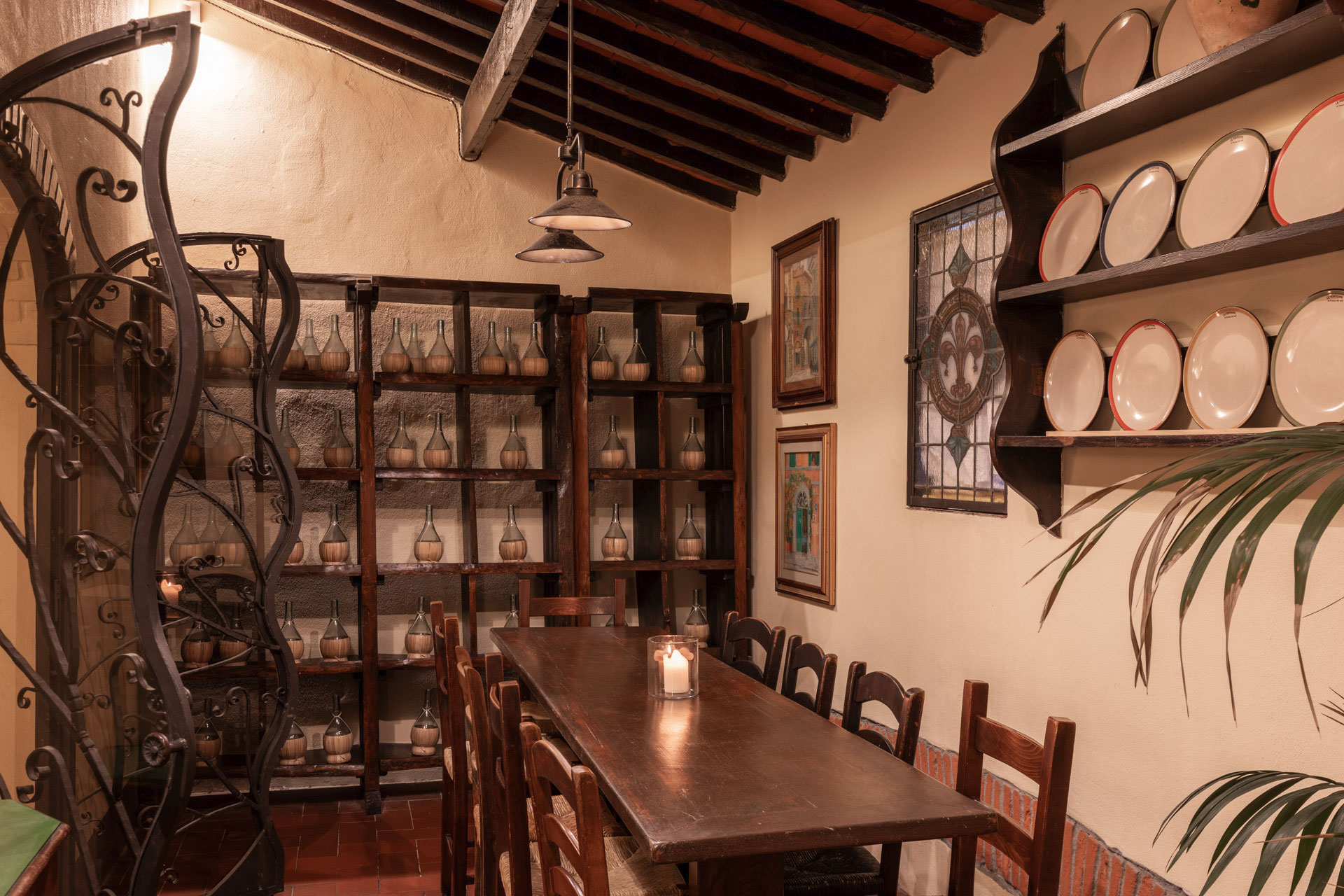
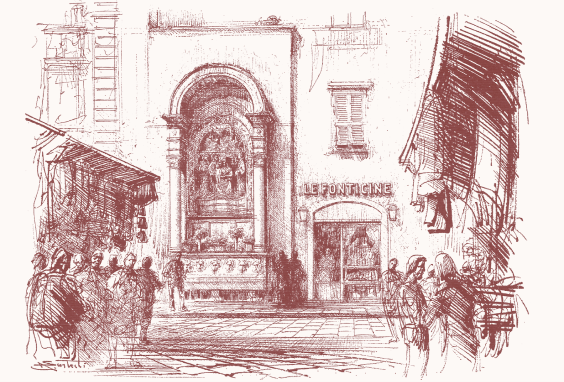
“Le Fonticine” is a tribute to the historic fountains located right next to the entrance
In the heart of Florence, a journey into the authentic flavors of Tuscan tradition awaits you.
Via Nazionale, 79r, 50123 Florence FI, Italy
Traditional Tuscan cuisine,
authentic flavors.

Monday through Friday: 12:00 – 14:30 / 19:00 – 22:30
Saturday and Sunday: 12:00 – 14:30 / 18:00 – 22:30
Monday through Friday:
12:00 – 14:30 / 19:00 – 22:30
Saturday and Sunday:
12:00 – 14:30 / 18:00 – 22:30
Copyright © 2024. All Rights Reserved – Privacy Policy – Cookie Policy – Powered by Studio99
La storia del porcino in Toscana affonda le sue radici nella tradizione contadina e nel profondo legame che da sempre unisce la cucina toscana ai suoi boschi. Con l’arrivo dell’autunno e delle prime piogge, i boschi dell’Appennino e delle colline toscane diventano il luogo ideale per la crescita di questo prezioso fungo.
Per generazioni, la raccolta dei funghi è stata una consuetudine legata alla vita delle comunità rurali.
Conoscere il bosco, riconoscere i luoghi più favorevoli e attendere il momento giusto erano saperi tramandati di padre in figlio. Il porcino veniva poi portato in cucina, dove il suo profumo intenso e il suo sapore inconfondibile arricchivano anche i piatti più semplici.
Nella tradizione toscana viene preparato in molti modi: con la pasta fresca, trifolato, alla griglia o semplicemente accompagnato da pochi ingredienti capaci di esaltarne il gusto.
È proprio la sua breve stagionalità a renderlo così speciale: un autentico dono del bosco, capace di portare in tavola il profumo e i sapori più genuini della Toscana.
La storia della bistecca alla fiorentina è antica almeno quanto la città da cui prende il nome, tanto che se ne perdono le tracce nel tempo. Tuttavia, la sua tradizione, la sua celebrità e il suo nome si possono far risalire alla celebrazione della festa di San Lorenzo e alla famiglia dei Medici.
In occasione di San Lorenzo, il 10 agosto, Firenze si illuminava con la luce di grandi falò, dove venivano arrostite grosse quantità di carne di vitello, poi distribuite alla popolazione. All’epoca dei Medici, Firenze era un importante crocevia di viaggiatori provenienti da ogni parte del mondo.
Si narra che, proprio durante una di queste celebrazioni di San Lorenzo, fossero presenti alcuni cavalieri inglesi. A questi venne offerta la carne arrostita sui fuochi, e loro, riferendosi al tipo di carne che stavano mangiando, la chiamarono nella loro lingua “beef steak”. Da qui, per adattamento alla lingua italiana, nacque il termine bistecca, che è giunto fino ai giorni nostri.
Un’altra versione dell’origine del nome risale all’800, quando gli inglesi, presenti a Firenze, lasciarono notevoli influenze nella cucina toscana. Si trattava di persone facoltose che potevano permettersi tagli di carne pregiati, come la beef steak, ma anche il roast beef, anch’esso entrato a far parte della cucina fiorentina.
The story of porcini mushrooms in Tuscany is deeply rooted in the farming tradition and in the profound connection between Tuscan cuisine and its forests. With the arrival of autumn and the first rains, the forests of the Apennines and the Tuscan hills become the ideal setting for the growth of this precious mushroom.
For generations, mushroom foraging has been a tradition deeply connected to the life of rural communities.
Knowing the forest, recognizing the most favorable spots, and waiting for the right moment were skills passed down from father to son. The porcini was then brought to the kitchen, where its intense aroma and unmistakable flavor could enrich even the simplest of dishes.
In Tuscan tradition, it is prepared in many ways: with fresh pasta, sautéed, grilled, or simply paired with a few ingredients that enhance its distinctive flavor.
It is precisely its short season that makes it so special: a true gift from the forest, bringing to the table the most authentic aromas and flavors of Tuscany.
The history of Fiorentina steak is as old as much as the city from which it takes its name and if they lose track back in time. However, his tradition, his celebrity and his name can be traced back to the feast of San Lorenzo and Medici family.
At San Lorenzo, 10 August, the city was lit with the light of bonfires, where they were large quantities of roasted veal, which were then distributed to the population. Florence of the Medicis at the time was an important crossroads where you cound meet present at the celebrations some English knights who were offered the roasted meat the fires.
They called it in their own language referring to the beef steak type of meat they were eating. From here a tranlastion adapted to the current language created the word “bistecca” (beef – steak). That has survived to this day.
An alternative version is about English people, that in IX century in Florence were very numerous and have left their influence in Tuscan cuisine. They were mostly rich. people, who could also afford valuable cuts of meat such as beef steak, of course, but also as the roast beef, however, also present in Florentine cuisine.